Your home just took on water, and now you're scrambling. It's a stressful situation, and the last thing you want is to hire the wrong crew to fix it. I've seen plenty of good work and some not-so-good work over the years. So, let's talk about how to make sure you're getting a legitimate, qualified water damage restoration contractor for your Canby home.
What to Ask Before They Even Start
Don't just go with the first company that answers the phone. You've got to ask some tough questions up front. This isn't about being difficult; it's about protecting your biggest investment.
- Are you licensed and insured for water damage restoration in Oregon? This is non-negotiable. They should have general liability and workers' compensation insurance. Ask for proof. A legitimate company won't hesitate to show you.
- What certifications do your technicians hold? Look for IICRC (Institute of Inspection, Cleaning and Restoration Certification) certifications, especially for Water Damage Restoration Technician (WRT) and Applied Structural Drying (ASD). These guys know what they're doing.
- Can you explain your process, step-by-step? They should be able to clearly outline how they'll assess the damage, extract water, dry the structure, clean and sanitize, and monitor the drying process. If they can't, that's a red flag.
- How do you handle communication with my insurance company? A good contractor will be experienced in working with insurance adjusters. They should be able to help document the damage and submit claims, making your life a lot easier.
- What's your estimated timeline for the work? They can't give you an exact date, but they should be able to give you a realistic timeframe for the drying process and the overall project.
Decoding the Quote: What to Look For
You'll get a quote, probably more than one. Don't just compare the bottom line number. You need to understand what you're paying for.
- Detailed breakdown: The quote should itemize everything. Not just a lump sum. You want to see line items for water extraction, drying equipment (dehumidifiers, air movers), antimicrobial treatments, demolition, and any other services.
- Clear scope of work: Does it clearly state what areas are being treated? What materials are being removed and what's being saved? This prevents misunderstandings later on.
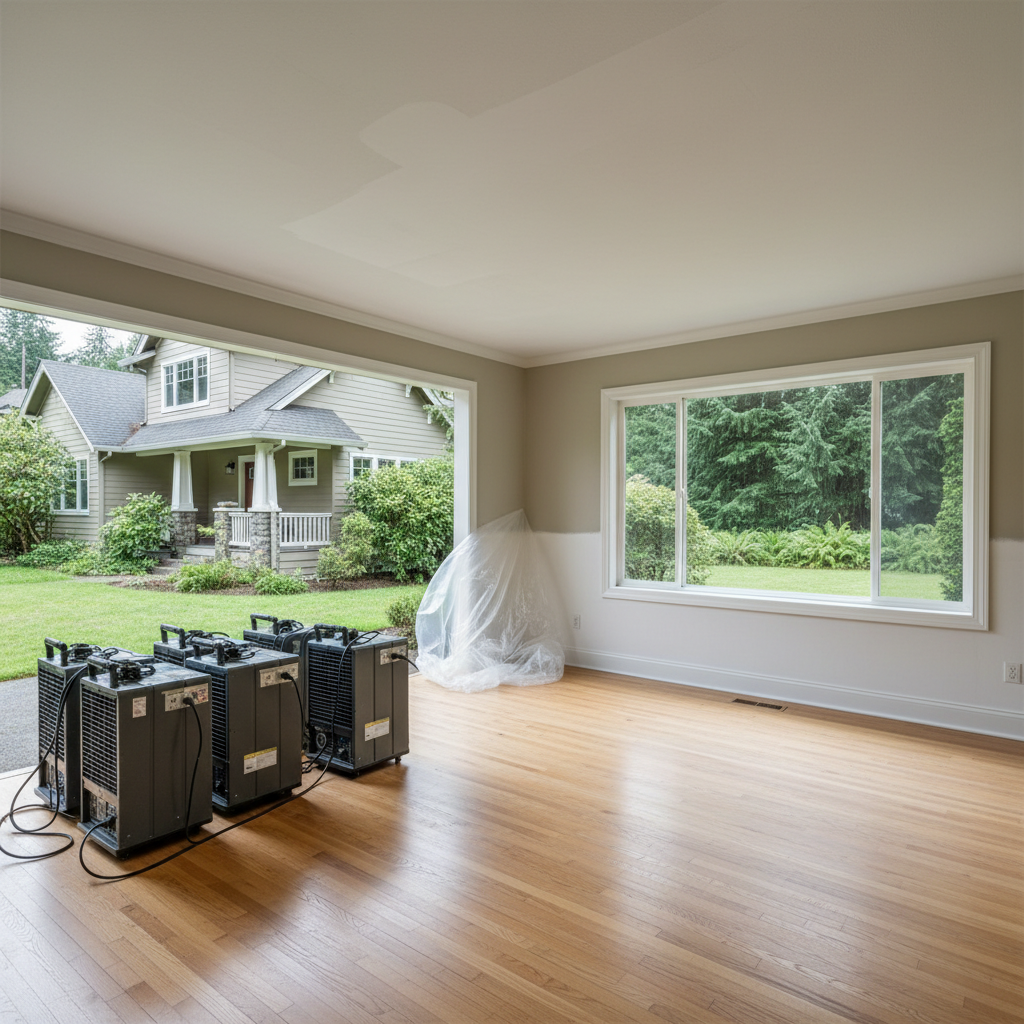
- Equipment listed: They should specify the type and quantity of drying equipment they plan to use. This helps ensure they're bringing enough firepower to dry your place properly.
- Moisture readings and monitoring: A good quote will include daily moisture readings and monitoring of the drying process. This is crucial for making sure everything is truly dry and preventing future mold.
- Payment terms: Understand the deposit requirements and when final payment is due. Aim High Restoration, like other reputable companies, will usually require a portion upfront, but not the whole thing.
Watch Out for These Red Flags
Some things should make you hit the brakes immediately.
- High-pressure sales tactics: If they're pushing you to sign on the spot or making you feel like you'll lose out if you don't decide right now, walk away.
- Cash-only demands: Any contractor who insists on cash payments and avoids invoices or contracts is probably trying to dodge taxes or worse. Stay clear.
- No contract or vague contract: Get everything in writing. A simple handshake isn't going to cut it when you're dealing with water damage.
- Unbelievably low bids: If one quote is drastically lower than all the others, there's usually a reason. They might be cutting corners, using cheap labor, or planning to hit you with hidden fees later.
- Soliciting door-to-door after a storm: While some legitimate companies might be out in force after a big event, be wary of anyone who shows up uninvited and tries to scare you into immediate service.
- Lack of local presence: If they don't have a local office or a solid reputation in Canby, they might be storm chasers who disappear once the work is done.
Verifying Legitimacy
You've got questions answered and a quote in hand. Now, how do you double-check they're the real deal?
- Check their license: In Oregon, you can verify contractor licenses through the Construction Contractors Board (CCB) website. Make sure their license is active and they're endorsed for the right type of work.
- Look up reviews: Google, Yelp, Better Business Bureau – see what other homeowners are saying. Don't just look at the star rating; read the actual comments.
- Ask for references: A good contractor should be happy to provide references from past clients. Call those references and ask about their experience.
- Verify insurance: Ask for a Certificate of Insurance directly from their insurance provider. This confirms they have active coverage.
- Visit their office (if possible): If they have a local office, a quick drive-by can give you a feel for their operation. Do they look professional?
Dealing with water damage is tough enough. Taking a little extra time to vet your contractor means you'll get the job done right, protect your home, and avoid more headaches down the road. You want someone who knows the ins and outs of drying out a home, especially with our damp Canby winters, and who's going to stand by their work.