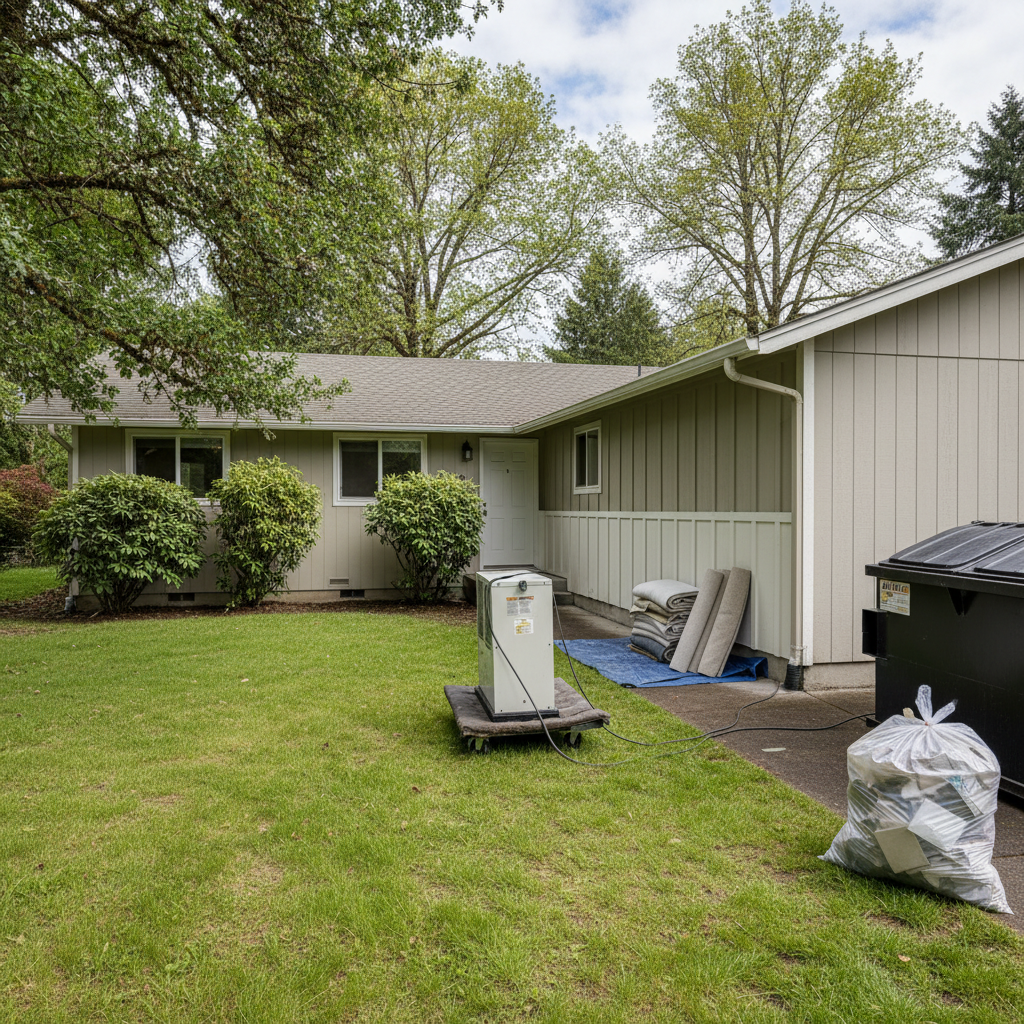
Don't Get Soaked Twice: Picking the Right Water Damage Crew
Your basement's flooded, a pipe burst, or maybe that heavy rain we had last week finally found its way through your roof. Whatever the cause, you've got water damage, and you need it fixed. Fast. But in the panic, it's easy to grab the first number you see online or in a flyer. That's a mistake that can cost you a lot more than just money.
I've been doing this a long time here in Canby, and I've seen the good, the bad, and the downright ugly when it comes to water damage restoration. Here's what you need to know to hire someone who'll actually help, not hurt.
Questions to Ask Every Contractor
When you're talking to potential companies, don't be shy. You're inviting them into your home during a crisis. Ask these questions:
- Are you licensed and insured for restoration work in Oregon? Don't just take their word for it; ask for proof. This is non-negotiable.
- What's your experience with this type of water damage? A company that mostly does fire restoration might not be the best fit for a major flood, especially if it involves sewage.
- Do you use subcontractors, or is it your own crew? Some companies sub out everything. That's not always bad, but you want to know who's actually showing up at your door.
- What's your estimated timeline? They should be able to give you a rough idea of how long the drying process will take, and when you can expect repairs to start.
- How do you handle communication with my insurance company? A good restoration company will be experienced in working with adjusters and can help streamline the claims process. They should speak their language.
- What equipment do you use? You want to hear about industrial-grade dehumidifiers, air movers, moisture meters, and thermal imaging cameras. If they just say "fans," that's a red flag.
What to Look for in a Quote
A quote isn't just a number; it's a breakdown of the work. You want clarity, not just a bottom line. Here's what a good quote should include:
- Detailed Scope of Work: It should list exactly what they plan to do. Demolition, drying, cleaning, sanitizing, contents manipulation, etc.
- Itemized Costs: See where your money's going. This should include equipment rental, labor hours, materials, and any specialty services.
- Timeline Expectations: A rough schedule for each phase of the work.
- Payment Terms: When do they expect payment? Upfront? After completion? In phases? Be clear on this.
- Contingency Clauses: What happens if they find more damage once walls are opened up? How will that impact the cost and timeline?
Be wary of quotes that are vague, handwritten on a scrap of paper, or significantly cheaper than others. If it sounds too good to be true, it probably is.
Big Red Flags to Watch Out For
These are the signs that you should probably run, not walk, away:
- High-Pressure Sales Tactics: