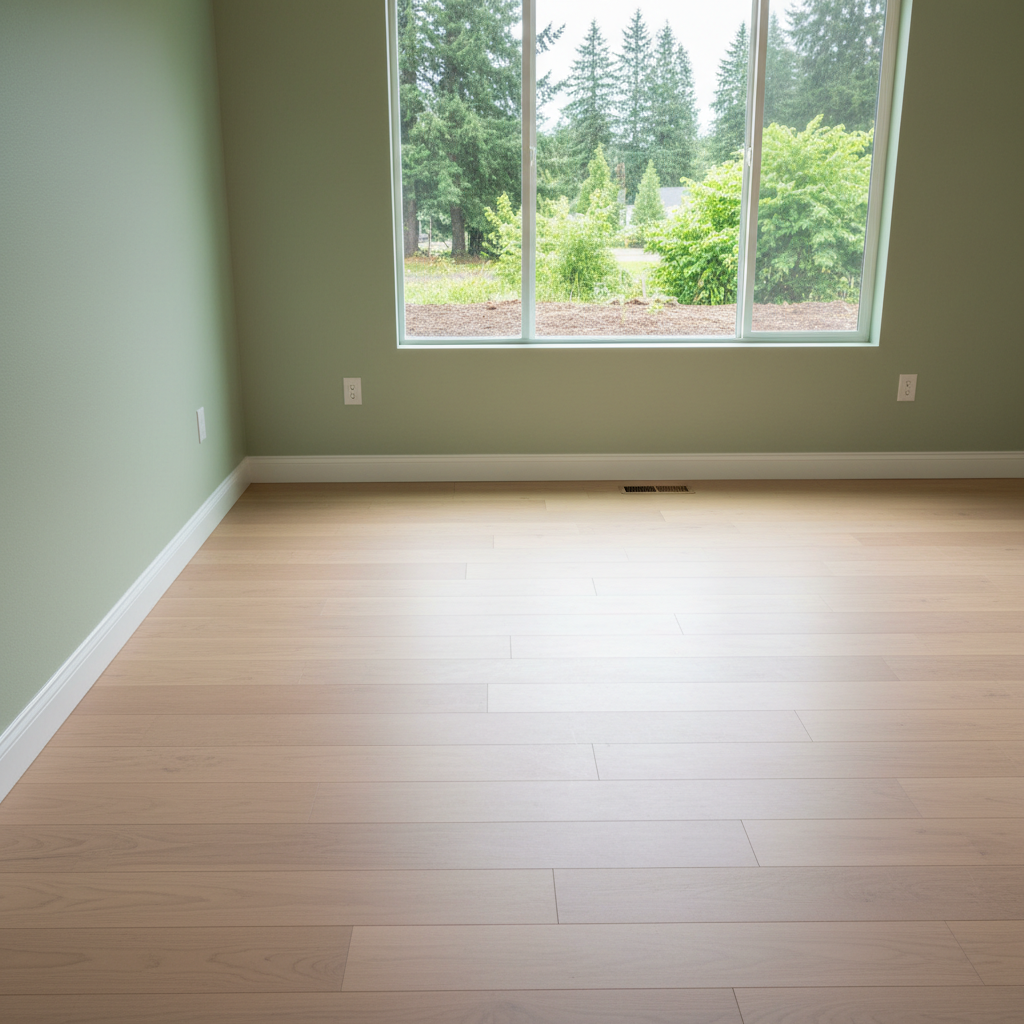
Your Water Damage Repair Is Done. Now What?
So, you've had water damage dealt with in your home. Maybe it was a burst pipe, a leaky roof, or even some groundwater intrusion after a heavy winter storm. We've come in, dried things out, repaired the damage, and got your place looking good again. But here's the thing: that repair isn't a magic shield against future problems. You've invested time and money into getting things right, and you want that work to last. That means you've got a role to play in keeping your home dry and healthy going forward.
Think of it like this: when you get your car fixed, you still need to change the oil, check the tires, right? Same idea here. Good maintenance after a water damage repair is crucial, especially with our Pacific Northwest climate. We get a lot of rain, and that constant moisture is always looking for a way in.
Extending the Life of Your Water Damage Repair
You want those repairs to hold up for years, not just months. Here's what I tell folks:
Ventilation is Your Friend: After a repair, especially in areas like crawl spaces or basements, good airflow is key. If we installed new insulation or drywall, you want to make sure moisture doesn't get trapped behind it. Open windows when the weather allows, use exhaust fans in bathrooms and kitchens, and consider a dehumidifier in damp areas during our wet seasons. It pulls moisture out of the air, which is a big help.
Address the Source: If the original water damage was due to a specific issue – a leaky faucet, a clogged gutter, a foundation crack – you need to keep an eye on those areas. We fixed the *damage*, but you're responsible for preventing the *cause* from happening again. That might mean regular gutter cleaning, checking plumbing connections, or ensuring proper grading around your foundation.
Seal and Protect: Any new paint or sealant we applied needs to be maintained. If you see peeling or cracking, address it quickly. This is especially true for exterior repairs or areas prone to splash-back. A good seal is your first line of defense.
Regular Maintenance: Your Home's Check-Up
This isn't just about repairs; it's about general home health. A little proactive work saves a lot of headaches (and money) down the road.
Gutters and Downspouts: I can't stress this enough in Canby. Our trees are beautiful, but they drop a ton of leaves. Clogged gutters are a leading cause of water backing up and getting into eaves, walls, and foundations. Clean them at least twice a year, more if you have lots of trees nearby. Make sure downspouts extend several feet away from your foundation.
Roof Check: Once a year, or after a big storm, take a look at your roof. Are there missing shingles? Cracked flashing around vents or chimneys? Even a small breach can lead to big problems. You don't need to get up there yourself if you're not comfortable, but a good pair of binoculars can give you a decent view from the ground.
Plumbing Inspection: Periodically check under sinks, around toilets, and near water heaters for any signs of drips or moisture. Small leaks can go unnoticed for a long time and cause significant damage. Pay attention to the connections on your washing machine and dishwasher too.
Foundation and Grading: Walk around your house. Does the ground slope away from your foundation? If water pools near your house, it's going to find a way in. Sometimes a little landscaping or adding some dirt can make a huge difference. Also, check for cracks in your foundation walls; some are normal, but others might need attention.
Warning Signs You Can't Ignore
Even with the best maintenance, things can happen. Knowing what to look for can prevent a small issue from becoming a major disaster:
Stains or Discoloration: Yellowish, brownish, or dark spots on ceilings or walls are almost always a sign of water intrusion. Don't just paint over them; find the source.
Musty Odors: If you smell something damp or earthy, especially in a basement, crawl space, or a specific room, that's a huge red flag. Mold often comes with a distinct smell, and it means there's moisture present.
Peeling Paint or Wallpaper: Water behind a surface will cause paint to bubble or peel, and wallpaper to lift or wrinkle. It's a clear indicator of moisture.
Sagging or Soft Spots: If your floor feels spongy, or a wall feels soft to the touch, you've likely got water damage compromising the structural integrity of materials like subflooring or drywall.
Increased Utility Bills: Sometimes, a hidden leak, especially in a hot water line, can cause your water bill or energy bill to spike. Keep an eye on those numbers.
When to Call a Professional (Like Aim High Restoration)
Look, you're not expected to be a water damage expert. That's my job. You should absolutely call us, or another qualified professional, if:
You can't find the source of the water. You see the damage, but you have no idea where it's coming from. We've got tools and experience to track it down.
The area is large or seems to be spreading. A small spot might be manageable, but if it's growing, or covering a significant area, you need professional drying and assessment.
There's visible mold growth. Mold can be a health hazard, and it often requires specialized cleanup protocols. Don't mess with it yourself if it's widespread.
You suspect structural damage. If floors are sagging, walls are bulging, or anything feels unstable, get us out there immediately. Your safety is paramount.
The water involved sewage or other contaminants. This is Category 3 water, and it's dangerous. You need professionals with proper protective gear and decontamination procedures.
You're just not comfortable. If you're unsure, or you feel overwhelmed, that's perfectly fine. That's what Aim High Restoration is here for. We'd rather you call us for a quick inspection than let a problem fester.
Taking care of your home after a water damage repair isn't rocket science, but it does require a bit of attention. A little effort now can save you from a lot of stress and expense later. Keep an eye out, address issues quickly, and don't hesitate to call if you need us.